
The Odyssey Ending Explained: Major Spoiler Alert! Christopher Nolan’s The Odyssey (2026) takes audiences on an unforgettable journey through war, mythology, betrayal, and the painful consequences of violence. Starring Matt Damon as Odysseus, Anne Hathaway as Penelope, and Tom Holland as Telemachus, the film reimagines Homer’s legendary Greek epic with unexpected revelations and an emotionally powerful conclusion.
While the story follows Odysseus as he struggles to return home after the Trojan War, the final moments reveal something far more complicated than a hero reclaiming his kingdom. The Odyssey ending explained takes us through his shocking discovery about the mysterious Sea People, Athena’s haunting connection to Troy, and his surprising decision to abandon the throne.
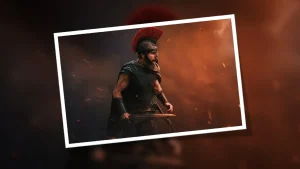
Spoiler Alert: Major spoilers for The Odyssey (2026) ahead!
What Happens in The Odyssey? A Journey That Changes Everything
After the devastating Trojan War, Odysseus (Matt Damon) sets out for Ithaca, hoping to reunite with his wife Penelope (Anne Hathaway) and their son Telemachus (Tom Holland). However, what should have been a straightforward journey becomes a decade-long struggle for survival.
Along the way, Odysseus encounters terrifying creatures, dangerous supernatural forces, and extraordinary challenges. From the fearsome Cyclops to the mysterious enchantress Circe and the island of Calypso (Charlize Theron), every encounter takes him further away from the life he desperately wants to reclaim.
His memories also become increasingly fragmented, especially during his time with Calypso, where lotus flowers cloud his understanding of the past.
Meanwhile, Ithaca faces a growing crisis. With its king missing for years, powerful suitors have occupied the royal palace, pressuring Penelope to remarry. Antinous (Robert Pattinson) emerges as one of the most dangerous figures among them.
Telemachus, who has spent much of his life without his father, struggles to protect his mother and defend their kingdom.
But when Odysseus finally reaches Ithaca, his greatest battle is no longer against mythical monsters. It is against the consequences of his own past.
How Does Odysseus Defeat Penelope’s Suitors?
After returning to Ithaca, Odysseus hides his true identity by disguising himself as a beggar. Rather than immediately announcing his arrival, he secretly investigates what has happened to his kingdom.
With support from his loyal servant Eumaeus (John Leguizamo) and his son Telemachus, he prepares to confront the men who have taken control of his home.
Penelope eventually announces a challenge for her suitors. Whoever can string Odysseus’ legendary bow and shoot an arrow through a row of axe heads will win her hand in marriage.
One after another, the suitors fail.
Then the mysterious beggar steps forward and accomplishes what none of them could.
The moment exposes his extraordinary strength and reveals that Ithaca’s long-lost king has finally returned.
A violent confrontation follows, with Odysseus and Telemachus fighting the suitors. Antinous is eventually killed, and the remaining men surrender.
Odysseus has finally reclaimed his home. Yet his victory does not bring the happiness audiences might expect.
Why Is Odysseus Haunted by the Destruction of Troy?
One of the film’s most important revelations comes when Odysseus revisits the events that made him a legendary warrior.
Throughout the story, the Trojan Horse is remembered as a brilliant military strategy. By hiding Greek soldiers inside a wooden horse, Odysseus helped bring the long war to a victorious end.
However, the film’s later flashbacks reveal the horrifying reality behind that triumph.
When the Greeks entered Troy, their victory turned into a brutal massacre. Innocent people were killed, sacred places were destroyed, and the city was left devastated.
Odysseus witnesses atrocities that he cannot forget, including the killing of a defenseless woman.
These memories fundamentally change how he understands his own achievements.
The man celebrated for ending the war now realizes that his cleverness helped unleash extraordinary suffering.
His delayed return to Ithaca begins to take on a deeper meaning. Beyond the monsters and disasters that kept him away, Odysseus appears to have been struggling with the shame of returning home as a man responsible for such destruction.
Who Are the Mysterious Sea People? The Film’s Biggest Revelation
Throughout The Odyssey, characters repeatedly warn about dangerous invaders known as the Sea People.
These mysterious attackers are believed to threaten kingdoms and destroy civilizations. Their arrival hangs over Ithaca like an approaching disaster.
However, Nolan introduces a surprising interpretation of this threat.
Odysseus realizes that he and his fellow Greek warriors are themselves the people from the sea.
They sailed across the waters, invaded another kingdom, destroyed its city, and brought suffering to countless innocent people.
The supposed threat from outsiders reflects the destruction the Greeks have already caused.
This realization is connected to Zeus’ Law, an ancient principle requiring people to treat strangers and guests with respect. Since a god might appear in human disguise, cruelty toward an unknown person could also become an offense against the divine.
By turning the Trojan Horse into a deadly deception and attacking the people of Troy, Odysseus and his army violated the very moral principles their civilization claimed to uphold.
The revelation transforms the film’s central conflict. The greatest danger facing their world may not be an unfamiliar enemy but the violence that powerful men have already normalized.
Why Does Athena Have the Face of a Woman Killed in Troy?
Another unsettling mystery involves Athena, the goddess of wisdom played by Zendaya.
Throughout his journey, Odysseus encounters Athena at important moments. Her presence initially suggests divine guidance, much like her role in Homer’s original story.
But a disturbing flashback changes the meaning of these appearances.
During the destruction of Troy, Odysseus witnesses a young woman being attacked by Greek soldiers. The woman has the same face as Athena.
This creates uncertainty about what Odysseus has actually been seeing.
Did Athena genuinely appear to him in the form of the murdered woman? Or has his guilt caused him to associate the goddess with someone he failed to save?
Nolan deliberately leaves room for interpretation.
One possible reading is that Athena represents Odysseus’ conscience. Her familiar face becomes a permanent reminder that his greatest military achievement came at a terrible human cost.
Rather than offering him an easy escape from responsibility, her presence forces him to remember what happened in Troy.
Does Odysseus Die at the End of The Odyssey?
No, Odysseus survives the events of The Odyssey (2026).
His confrontation with the suitors is brutal, and he suffers serious injuries during the fighting. For a brief moment, it appears that his long and dangerous journey might end in tragedy just as he reaches home.
However, Nolan chooses a different conclusion.
Odysseus defeats his enemies and survives the battle.
But instead of settling back into the palace and enjoying his victory, he makes an unexpected decision.
He chooses to walk away from the throne.
Why Do Odysseus and Penelope Leave Ithaca Together?
After spending years trying to return to his kingdom, Odysseus decides that ruling Ithaca is no longer the future he wants.
He and Penelope choose to leave their royal lives behind and sail away together.
The decision becomes especially meaningful when connected to an earlier conversation between the couple. Before the Trojan War, Penelope had imagined escaping the responsibilities of royalty and building a quieter life with her husband.
What once seemed impossible finally becomes their reality.
However, their departure is not simply a romantic escape.
Odysseus understands that his actions have left behind suffering, death, and the possibility of further retaliation. Remaining king could continue the cycle of violence he now desperately wants to escape.
By leaving Ithaca, he attempts to give both himself and his kingdom an opportunity to begin again.
Penelope’s decision to accompany him also brings their relationship full circle. After enduring years of separation, uncertainty, and pressure, she finally gets the chance to build a future with the man she never stopped waiting for.
Their destination remains unknown, but their decision suggests that finding peace matters more than holding power.
What Happens to Telemachus? Who Becomes the New King?
With Odysseus stepping away from the throne, Telemachus becomes the new king of Ithaca.
His journey throughout the film has been shaped by his father’s absence. He grows up surrounded by stories of a legendary warrior whom he barely knows personally.
By the ending, Telemachus has demonstrated courage and loyalty while helping his father defend their home.
Odysseus recognizes that his son is ready to lead.
Passing the throne to Telemachus represents more than a change of ruler. It offers Ithaca an opportunity to move forward without being controlled by the unresolved conflicts of the previous generation.
For Odysseus, it is also a final act of trust in the son he spent so many years trying to reach.
How Is Christopher Nolan’s Ending Different From Homer’s Original Poem?
Although Nolan retains many famous elements of Homer’s Odyssey, he introduces a significant change to its conclusion.
In the original epic, Odysseus returns to Ithaca, defeats the suitors, reunites with Penelope, and regains his position as king.
When the families of the slain suitors threaten further violence, divine intervention helps bring the conflict to an end.
Nolan takes another approach.
Rather than relying on the gods to restore peace, his version makes Odysseus personally confront the moral consequences of his actions.
He voluntarily relinquishes his crown, allowing Telemachus to take charge while he and Penelope depart into exile.
This change gives the legendary hero a different kind of victory.
He does not find redemption by conquering another enemy or reclaiming his authority. Instead, he begins to change by recognizing the damage he has caused and choosing a life beyond warfare.
What Does the Final Scene Mean? The Hidden Message Behind the Ending
The final moments of The Odyssey shift attention from one man’s journey to the fate of an entire civilization.
As Odysseus and Penelope sail toward an uncertain future, he reflects on how kingdoms collapse and how the stories of their people survive long after their achievements have disappeared.
The film connects his personal history to the wider destruction associated with the end of the Bronze Age.
Odysseus understands that future generations may remember the Trojan War as a glorious victory while forgetting the cruelty and suffering that accompanied it.
His story may survive through songs and legends, but those retellings cannot necessarily preserve the truth.
This is perhaps Nolan’s most powerful idea: history can turn complicated, destructive figures into celebrated heroes while overlooking the people who suffered because of them.
The ending also raises an uncomfortable question. If people continue to romanticize violence and conquest, are they destined to repeat the same mistakes?
Yet there is hope in Odysseus’ final choice.
By surrendering power and leaving his old life behind, he demonstrates that people can recognize their failures and attempt to change.
Ultimately, The Odyssey is not simply about a warrior finding his way home. It is about a man realizing that returning home means little unless he is willing to become someone different.
Also Explore: 15 Movies like The Odyssey You Can’t Miss
Odysseus survives his greatest adventure, reunites with Penelope, and gives his son a chance to build a better future. But his real transformation comes when he finally understands that being remembered as a hero is not the same as being a good man.